Understanding Outdoor Living Configurators
As outdoor living spaces become increasingly popular among homeowners, the need for effective design tools has never been greater. An outdoor living configurator stands at the forefront of this evolution, offering users a way to visualize and customize their ideal outdoor environments. Whether it’s a patio, kitchen, or garden oasis, these tools provide an intuitive platform for users to explore options and bring their ideas to life.
What is an Outdoor Living Configurator?
An outdoor living configurator is an interactive software tool that allows users to design their outdoor spaces by selecting from various design elements, materials, layouts, and colors. Users can create customized outdoor kitchens, patios, and other living spaces that meet their specific needs and aesthetic preferences. These tools often come with 3D visualization features, enabling homeowners to see their designs from multiple angles, making it easier to make informed decisions about their projects.
The Benefits of Using a Configurator
Utilizing an outdoor living configurator offers several advantages:
- Enhanced Visualization: 3D models provide a clearer picture of how elements will look in reality.
- Cost-Effectiveness: Users can experiment with different designs and materials without incurring costs until the final selection is made.
- Time Efficiency: Configurators streamline the design process by allowing quick adjustments and comparisons, saving time during planning.
- Personalization: Homeowners can express their unique style and preferences through customizable options.
How Configurators Enhance User Experience
User experience is a critical factor in the success of any design tool. Outdoor living configurators are designed to be user-friendly, often featuring drag-and-drop interfaces and interactive elements that make the design process engaging. By providing tutorials, help prompts, and easy navigation, these tools minimize frustration, enabling users to focus on creativity rather than technical challenges.
Key Features of Effective Outdoor Living Configurators
Visual Design Tools and User Interfaces
A well-designed visual interface is paramount in configurators. Key features include:
- 3D Rendering: High-quality renderings allow users to visualize their designs in realistic settings.
- User-Friendly Navigation: Intuitive menus and categories make it easy to access various design options.
- Collaborative Tools: Features that enable sharing designs with family or professionals enhance decision-making.
Customization Options for Personalization
Customizability is a core feature that differentiates outdoor living configurators. Users should have the ability to select from a wide range of materials, colors, and layouts. Additionally, options for adding personal decorative elements, such as planters or outdoor furniture, can significantly enhance the overall appeal of the design.
Integration with E-commerce and Retail
Modern configurators often integrate e-commerce capabilities, allowing users not only to design their spaces but also to purchase selected items directly through the platform. This integration simplifies the transition from design to actual purchase, making it a seamless experience for users.
Implementing Your Outdoor Living Design
Step-by-Step Guidance for Users
Using a configurator can be straightforward if you follow a structured approach:
- Define Your Needs: Determine the purpose of your outdoor space—entertaining, relaxation, gardening, etc.
- Set a Budget: Establish a clear budget to guide your design choices.
- Select a Configurator: Choose a tool that best fits your design needs and preferences.
- Start Designing: Use the configurator to experiment with different layouts and features.
- Review and Finalize: Evaluate your design, make final adjustments, and prepare for implementation.
Common Challenges and Their Solutions
While configurators simplify the design process, users may encounter challenges, such as:
- Overwhelming Options: Begin with a focused concept to avoid getting lost in too many choices.
- Technical Difficulties: Take advantage of customer support and tutorials offered by the configurator platform.
- Budget Constraints: Set a realistic budget early in the planning to guide your design choices effectively.
Real-Life Examples of Successful Implementations
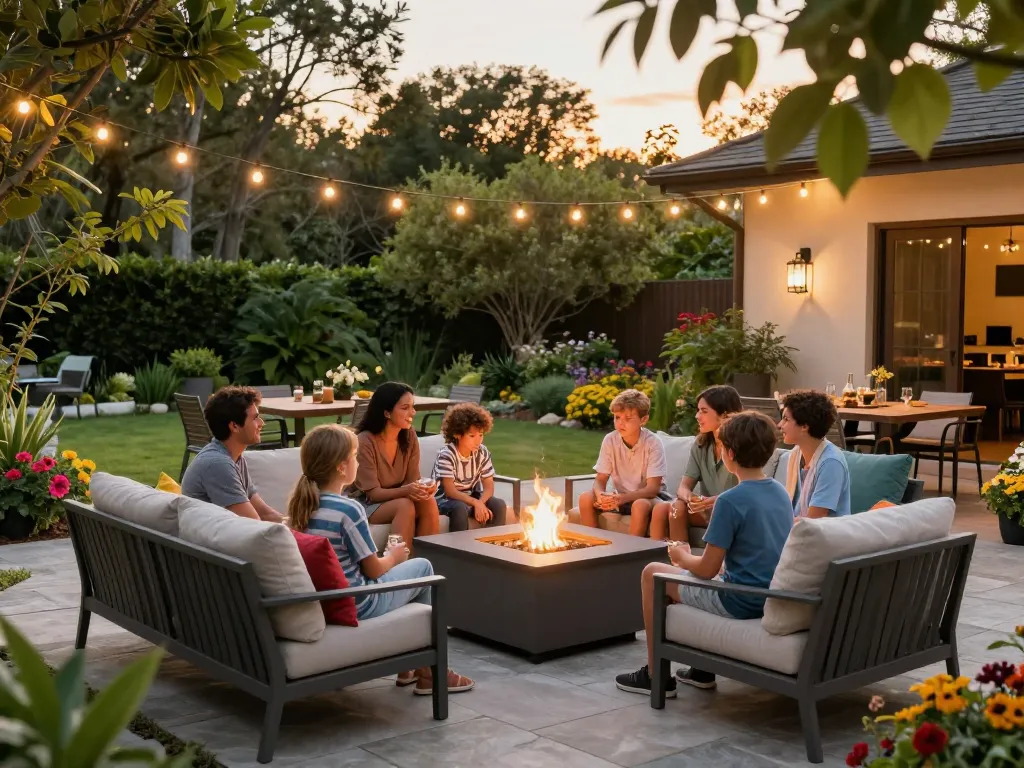
Many homeowners have successfully utilized outdoor living configurators to transform their spaces. For instance, a couple looking to create an outdoor entertainment area used a configurator to visualize different layouts, eventually settling on a design featuring a fire pit, comfortable seating, and overhead lighting. This not only met their aesthetic goals but also addressed functional aspects, ensuring the space was usable year-round.
Future Trends in Outdoor Living Configurators
Emerging Technologies Shaping the Industry
The outdoor living design landscape is evolving rapidly, with technologies like augmented reality (AR) and artificial intelligence (AI) set to revolutionize configurators. AR can allow users to visualize their plans in real-time, overlaying digital designs onto their actual outdoor spaces. AI can offer personalized recommendations based on user preferences and previous designs, further enhancing the customization process.
Predictions for 2026 and Beyond
As we look ahead, the integration of smart technologies into outdoor living spaces, such as automated lighting and irrigation systems, will likely influence configurator designs. Moreover, sustainability features, such as eco-friendly materials and energy-efficient designs, are expected to become standard offerings in configurators, aligning with the growing consumer demand for green living solutions.
How to Stay Ahead in Outdoor Living Design
To remain competitive, businesses must continuously update their configurators with the latest design trends, technologies, and user feedback. Staying connected with industry shifts, consumer preferences, and innovative materials will be key to providing users with relevant, cutting-edge tools for their outdoor living projects.
Measuring Success with Outdoor Living Configurators
Key Performance Indicators to Track
To evaluate the effectiveness of an outdoor living configurator, businesses should monitor several key performance indicators (KPIs), including:
- User Engagement: Analyze how users interact with the tool, including time spent and features used.
- Conversion Rates: Track how many users transition from design to purchase.
- Customer Satisfaction: Collect user feedback to gauge the configurator’s effectiveness and ease of use.
Feedback Mechanisms and User Engagement
Implementing feedback mechanisms, such as surveys and user reviews, can offer valuable insights into areas for improvement. Engaging users through webinars or shared community projects can also foster a sense of belonging and encourage repeat usage of the configurator.
Case Studies of Effective Configurator Use
Examining successful case studies can provide a roadmap for best practices. For example, a high-end furniture retailer adopted a configurator that allowed customers to visualize custom outdoor furniture arrangements. By showcasing real-life applications and customer testimonials, they effectively drove sales and improved customer loyalty.
What are the Advantages of Outdoor Living Configurators?
Outdoor living configurators present several advantages for both consumers and businesses. They empower users to make informed decisions, reduce design errors, and enhance the overall satisfaction of outdoor living projects.
How Can I Customize My Outdoor Space Online?
Customizing your outdoor space online is simple with the right configurator. Choose a platform that offers a variety of design templates, drag-and-drop features, and extensive material choices to create a personalized design that reflects your style and needs.
What Technologies Will Shape Outdoor Living Design?
Emerging technologies such as AR, AI, and virtual reality will drastically change how consumers design their outdoor spaces, providing immersive experiences and highly personalized recommendations.
How Do I Measure the Success of My Design Project?
Success can be measured through KPIs like user engagement, customer satisfaction, and conversion rates, as well as feedback from users on the configurator’s ease of use and effectiveness.
What Common Mistakes Should I Avoid When Using a Configurator?
Common pitfalls include not setting a clear budget, failing to research design options, and not utilizing support resources provided by the configurator. By avoiding these mistakes, users can maximize the potential of their design experience.