Understanding Cape Cod Homes
History and Architecture
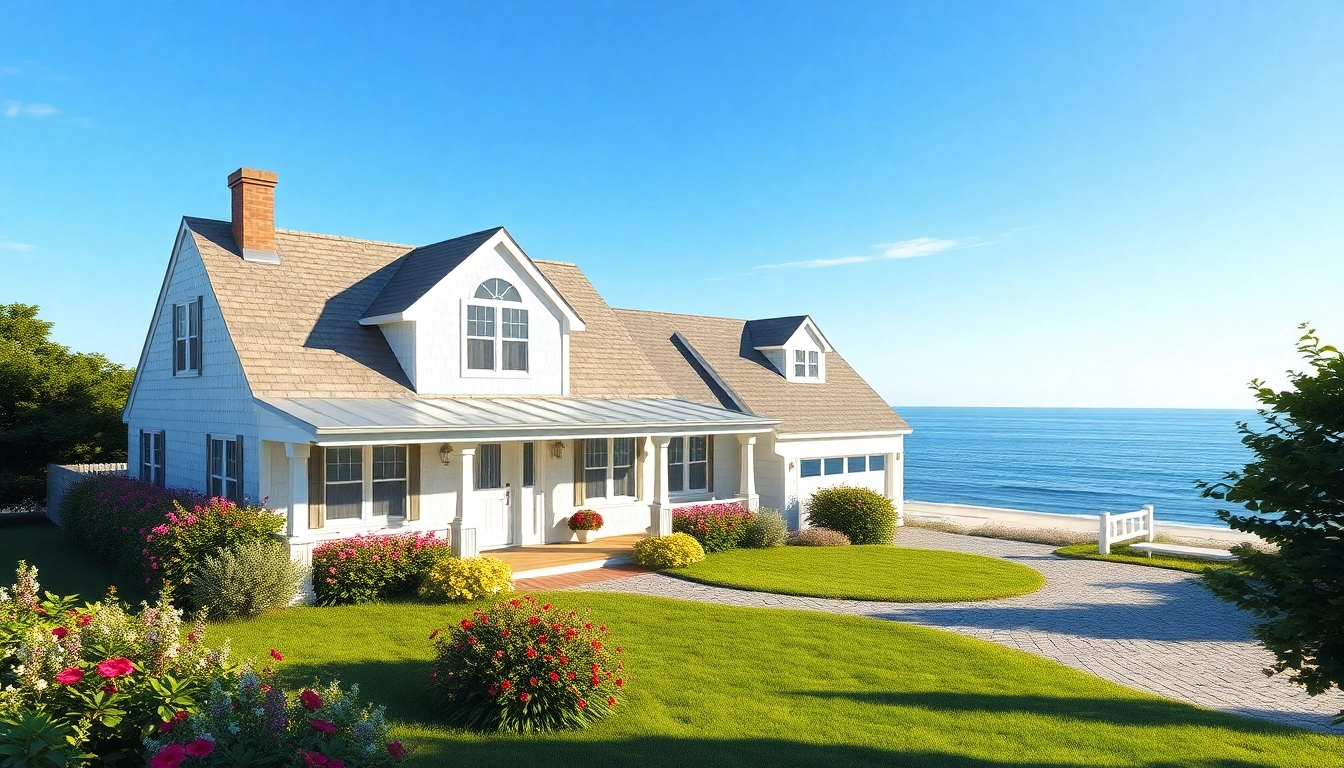
The Cape Cod home style has its roots in the New England region of the United States, dating back to the 17th century. Originally designed by early colonists who sought comfort and durability, these homes are a reflection of the harsh climates and the need for practical shelter. The architecture is characterized by steeply pitched roofs, symmetrical facades, and dormer windows which not only enhance visual appeal but also help with snow management.
Traditionally, Cape Cod homes were constructed with locally sourced materials, primarily wood, allowing them to blend seamlessly into the natural surroundings. Over time, this style has evolved, but the quintessential features remain beloved by homeowners and architects alike. As modern sensibilities emerge, there is an increasing blend of traditional aesthetics with contemporary convenience and energy efficiency.
Common Features of Cape Cod Homes
When considering cape cod homes, several distinctive features come to mind. Among the most notable are:
- Steep Roofs: Often steeply pitched, these roofs facilitate snow runoff and contribute to the home’s striking silhouette.
- dormer Windows: These windows provide additional light and space in the upper levels, adding to the aesthetic charm and functional layout.
- Symmetry: The balanced facade, typically with evenly distributed windows and a centered door, embodies a classic, timeless design.
- Wooden Shingles: Traditionally, the exteriors are clad in wooden shingles, painted in muted colors to enhance their natural beauty.
Design Principles for Modern Living
Modern adaptations of Cape Cod homes are eschewing some of the traditional constraints to accommodate a more fluid lifestyle. Homeowners now prioritize open floor plans and seamless indoor-outdoor transitions. By incorporating large sliding doors or expansive windows, these adaptations create light-filled spaces that are versatile for family gatherings and social events.
Sustainability has also become a critical consideration, with roofs designed for solar panel installations and materials chosen for their energy-efficient properties, making Cape Cod homes not only beautiful but also ecologically responsible.
Planning Your Cape Cod Home Expansion
Assessing Space and Needs
Before undertaking a home expansion, it’s crucial to assess your current space and the specific needs of your family. Consider how your lifestyle has changed since you first purchased or built your home. Do you require additional bedrooms for growing children? Or perhaps a home office? Planning accurately will set the foundation for a successful expansion.
Start by documenting your current usage of space and identify which areas feel cramped or underutilized. Analyze traffic patterns within your home during various times of the day, and consult family members to gather input on how they envision their dream layouts.
Budgeting for Your Project
A well-planned budget is indispensable for any home expansion project. Determine how much you are willing to invest and where your funding will come from, whether through savings, loans, or home equity. It’s essential to include costs for permits, materials, labor, and even unexpected expenses. Aim to set aside an additional 10-20% of your budget to cover any unforeseen issues that may arise during construction.
Once you have a comprehensive budget, prioritize your projects based on necessity versus want. This exercise will allow you to create a realistic timeline and maintain control over spending throughout the construction process.
Working with Architects and Designers
Your next step is selecting the right professionals to help bring your vision to life. Seek out architects and designers who specialize in Cape Cod homes or similar styles. Their experience will prove invaluable in maintaining the aesthetic integrity of your home while accommodating your expansion needs.
Collaborate closely with designers, sharing your ideas and needs, and be open to their suggestions. They may offer creative solutions that you hadn’t considered, enhancing both functionality and beauty. In addition, they will assist in navigating local building codes and zoning regulations, ensuring compliance throughout your project.
Choosing the Right Materials and Styles
Traditional vs. Modern Approaches
When selecting materials for your Cape Cod home expansion, a significant consideration is whether to embrace traditional aesthetics or modern alternatives. Traditional materials such as wood siding and shingles are both beautiful and appropriate for the style. However, modern options may offer improved durability and energy efficiency.
For instance, fiber cement siding can mimic the aesthetic of traditional wood while providing enhanced resistance to decay, insects, and extreme weather conditions. Balancing aesthetic preferences with practical needs is key to achieving a successful expansion.
Eco-Friendly Options for Cape Cod Homes
More homeowners are now focused on sustainable practices, making eco-friendly options a vital aspect of building and renovation. Consider materials such as reclaimed wood or sustainably sourced products that reduce environmental impact.
Additionally, employing energy-efficient windows and insulation can significantly improve home performance and reduce utility costs. Solar panels and rainwater collection systems further bolster your home’s commitment to sustainability, making it a responsible choice for modern living.
Durability and Maintenance Considerations
In any expansion project, considering durability and maintenance is paramount. Cape Cod homes are traditionally built to withstand the elements, but with an expansion, you must ensure new materials and techniques align with that history.
Opt for weather-resistant materials and finishes that require minimal upkeep and can endure the coastal environment’s wear and tear. For instance, select high-quality roofing, gutter systems, and paint that provide long-lasting performance and reduce the frequency of repairs.
Landscaping to Enhance Curb Appeal
Native Plants for Cape Cod Gardens
A well-planned landscape can significantly enhance the overall aesthetics of your Cape Cod home. Using native plants not only complements the architectural style but also promotes local biodiversity. Plants such as beach grass, holly, and lavender are well-suited to the conditions characteristic of the Cape, flourishing in sandy soils and coastal winds while providing vibrant colors throughout the seasons.
Incorporating these plants into your garden can help stabilize the soil, prevent erosion, and create a natural habitat for local wildlife, making your property both beautiful and ecologically friendly.
Creating Functional Outdoor Spaces
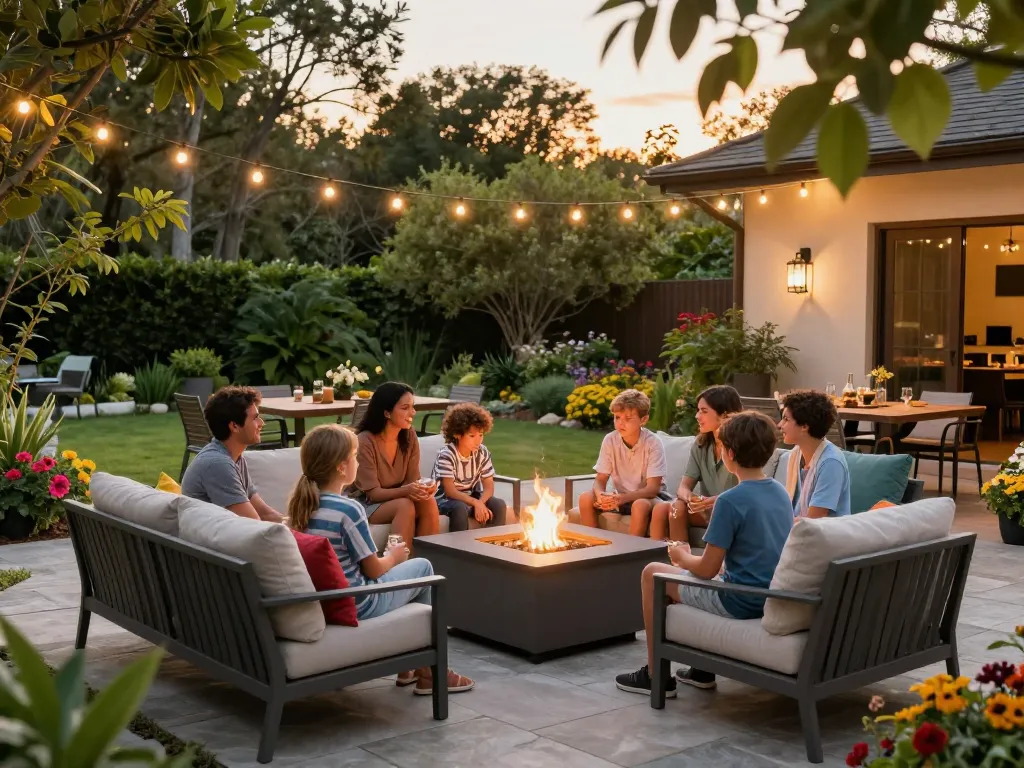
Expanding your Cape Cod home often provides an opportunity to improve outdoor living spaces. An expansion can create room for a deck, patio, or garden area that encourages outdoor activities and relaxation. These spaces should blend seamlessly with the home’s design and provide functionality. Consider features like built-in seating, fire pits, or outdoor kitchens, which transform your yard into a versatile living area.
Plan for pathways that lead from your home to these spaces while incorporating landscape elements that enhance the overall flow. Ensure that outdoor lighting is strategically installed to encourage nighttime use and highlight beautiful landscaping features.
Lighting and Pathway Ideas
Proper outdoor lighting not only enhances security but also adds charm and ambiance to your Cape Cod home. Consider using soft, ambient lighting to illuminate pathways, emphasizing the beauty of your landscaping while ensuring safe navigation at night.
Pathway lights can be functional yet decorative, using fixtures that match the home’s style. Lanterns or wall sconces placed strategically around patios can create an inviting atmosphere, ideal for entertaining or enjoying a quiet evening outdoors.
FAQs about Cape Cod Homes
What defines a Cape Cod home?
A Cape Cod home is characterized by its steep roof, symmetrical design, and dormer windows, providing a classic New England aesthetic.
How can I expand my Cape Cod home?
Consider adding an attached garage or sunroom that complements the original architecture while providing additional space.
What materials are best for Cape Cod homes?
Wood siding painted in muted colors, natural stone, and metal roofing are popular choices for durability and aesthetic appeal.
Are Cape Cod homes energy efficient?
Yes, many Cape Cod homes can be made energy efficient through modern insulation and sustainable building practices.
How do I maintain my Cape Cod home’s exterior?
Regular maintenance includes painting every few years, cleaning gutters, and inspecting the roof for wear or damage.