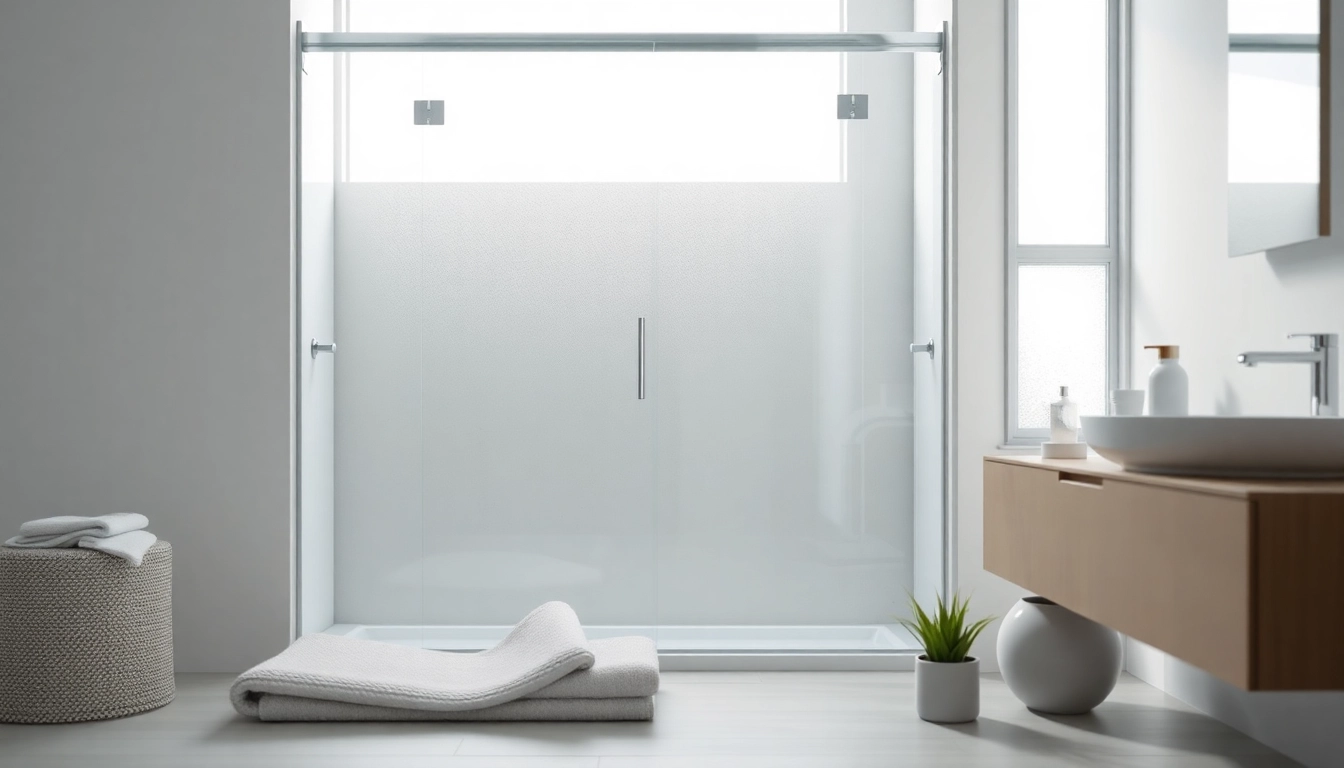
Understanding Shower Screen Sliding Door Options
When it comes to bathroom renovations, the shower screen sliding door offers a blend of style and practicality, making it a popular choice among homeowners. This article will delve deeply into the various options, benefits, installation processes, and maintenance of shower screen sliding doors to help you make informed decisions for your bathroom space.
Types of Shower Screen Sliding Door
Shower screen sliding doors come in various styles, catering to different needs and aesthetics. The most common types include:
- Single Sliding Doors: These feature one panel that slides open while the other remains stationary, making them ideal for smaller spaces.
- Double Sliding Doors: With two panels that slide past each other, double sliding doors maximize access and are suitable for larger shower areas.
- Curved Sliding Doors: These are designed for corner showers, providing a gentle curve that can save space without sacrificing style.
- Frameless Sliding Doors: For a sleek and modern look, frameless doors use minimal hardware and provide an uninterrupted view.
- Framed Sliding Doors: Offering a traditional appearance, framed doors are often more budget-friendly and come in various finishes.
Materials Used for Shower Screen Sliding Door
The materials used play a critical role in the functionality and aesthetic of shower screen sliding doors. Common materials include:
- Tempered Glass: Known for its strength and safety, tempered glass is commonly used in shower doors due to its ability to withstand changes in temperature.
- Stainless Steel: This material is often used for the door frames and hardware, providing durability and resistance to rust.
- Aluminum: Lightweight yet strong, aluminum is often used for framed options, making installation easier.
- Plastic: Some budget options use high-quality acrylic or polycarbonate materials, offering a lightweight alternative to glass.
Choosing the Right Size for Your Shower Screen Sliding Door
Size selection is crucial for ensuring functionality and ease of use. Consider the following:
- Measure Your Space: Begin by measuring the width and height of your shower opening to find the perfect fit.
- Account for Track Space: Allow for extra space at the top and bottom for the sliding mechanism and possible drainage.
- Consider User Needs: If you have children or elderly family members, make sure the door slides easily and has enough opening width.
Benefits of Installing a Shower Screen Sliding Door
Installing a shower screen sliding door offers several benefits, enhancing both the practicality and style of your bathroom.
Space Efficiency and Design Flexibility
One of the primary advantages of a shower screen sliding door is its ability to save space. Since the door slides rather than swings open, it requires less room to operate, which is especially beneficial in smaller bathrooms. Additionally, these doors come in various designs and finishes, allowing you to choose an option that complements your existing décor.
Easy Maintenance and Cleaning
Shower screen sliding doors are typically designed to minimize dust and mildew build-up. The smooth surfaces of tempered glass and stainless steel allow for easy cleaning; a simple wipe with a non-abrasive cleaner is usually sufficient. Moreover, most sliding doors require fewer seals than hinged doors, which can trap grime and be difficult to clean.
Enhancing Natural Light in Your Bathroom
Glass shower doors introduce a sense of openness and light into the bathroom. Unlike opaque curtains or shower stalls, sliding glass doors can create a visually larger space by allowing natural light to flow freely throughout the area. This feature not only brightens the environment but also enhances the overall aesthetic appeal.
Installation Process for Shower Screen Sliding Door
Installing a shower screen sliding door may seem daunting, but by adhering to a structured process, you can achieve a professional finish. Below are steps to guide you through the installation.
Preparing Your Bathroom for Installation
Before installation, ensure you have all necessary tools and materials, including the sliding door kit, a measuring tape, a level, a drill, and safety gear. Begin by measuring your shower opening accurately and gather any additional information required, such as wall type and floor slope for proper drainage.
Step-by-Step Installation Guide
- Remove Existing Fixtures: If applicable, begin by removing old shower doors or curtains to clear the space.
- Install Wall Track: Using your level, attach the upper wall track securely to the wall, ensuring it is evenly placed.
- Prepare the Bottom Track: Measure and cut the bottom track to fit, securing it onto the floor with appropriate anchors.
- Hang the Glass Panels: Carefully lift and hang the glass panels onto the wall track, ensuring they slide seamlessly.
- Adjust Hardware: Adjust any hardware for a snug fit, and ensure the door slides smoothly.
- Final Checks: Inspect the installation for alignment and stability, making necessary adjustments before cleaning the area.
Common Mistakes to Avoid During Installation
Installation can be tricky if proper care isn’t taken. Avoid these common mistakes:
- Incomplete Measurements: Double-check all measurements to prevent sizing issues.
- Poor Alignment: Use a level at all times to ensure tracks are perfectly aligned.
- Skipping the Sealant: Don’t forget to use a waterproof silicone sealant to prevent leaks.
- Forgetting Safety Precautions: Always wear safety gear when handling glass to prevent accidents.
Maintenance Tips for Your Shower Screen Sliding Door
To keep your shower screen sliding door looking new and functioning properly, regular maintenance is paramount. Here are some effective maintenance tips:
Regular Cleaning Routines
Establish a routine for cleaning your shower screen sliding door. A weekly cleaning with a soft cloth and a gentle, vinegar-based cleaner can minimize soap scum buildup. For deeper cleaning, consider using a dedicated glass cleaner once a month for a sparkling finish.
Addressing Common Issues and Repairs
Be proactive about identifying issues such as water leaks or difficulty in sliding. If your door is not sliding smoothly, inspect the tracks for debris and clean them regularly. Replace faulty rollers or hinges promptly to avoid further complications.
Choosing the Right Cleaning Products
Opt for non-abrasive cleaners to prevent scratching the surface of your glass and metal. Avoid harsh chemicals that can degrade seals and finishes. Consider eco-friendly options if you’re concerned about the environmental impact of cleaning supplies.
Frequently Asked Questions
1. What is a shower screen sliding door?
A shower screen sliding door is an enclosure that consists of sliding panels, offering easy access to the shower while effectively keeping water inside the designated area.
2. How do I install a shower screen sliding door?
Installation involves preparing the bathroom space, measuring for the correct size, and following a carefully sequenced guide to secure the door in place.
3. Are shower screen sliding doors easy to clean?
Yes, these doors are typically designed with smooth surfaces, making them easy to clean with a suitable glass cleaner and a soft cloth.
4. What materials are best for shower screen sliding doors?
Commonly used materials include tempered glass for safety, stainless steel for durability, and aluminum for lightweight structural support.
5. Can I customize my shower screen sliding door?
Yes, many manufacturers offer customization options for sizing, finishes, and designs, allowing you to match it to your bathroom’s overall aesthetic.